It starts with something tiny. A wet towel left on the bed. Dishes in the sink. Forgetting to pick up milk on the way home. And suddenly, what began as a minor irritation explodes into a full-blown argument — tears, raised voices, cold shoulders, and silence that lasts for hours or even days.
If this sounds familiar, you are not alone. One of the most common complaints couples bring to marriage counseling and relationship therapy sessions is not about major betrayals or life-altering decisions. It is the relentless cycle of small arguments in relationships that slowly erodes love, trust, and emotional safety.
This blog is here to help you understand why couples fight over little things, what those small fights are actually about, and most importantly, how to stop fighting over small things so you can build a stronger, more peaceful marriage. Whether you are looking for practical relationship advice or considering couples counseling, this guide has something for you.
A Story: The Case of the Forgotten Grocery List

Meet Priya and Arjun. Married for six years, two kids, demanding jobs, and a life that moves at full speed every single day. On the surface, they look like a happy couple. But behind closed doors, they fight — constantly — over the smallest things.
One Tuesday evening, Priya texted Arjun: “Please pick up milk, eggs, and bread on your way home.” Simple. Clear. Arjun read the message, put his phone down, got absorbed in a client call, and walked in the door empty-handed.
What followed was not a conversation about groceries. It was an eruption.
“You never listen to me. I can’t count on you for anything.” — Priya
“It’s just milk! Why is everything a catastrophe with you?” — Arjun
The argument lasted two hours. Arjun slept on the couch. Priya cried herself to sleep. The next morning, neither of them could explain why a grocery run had caused so much pain.
Here is the truth: it was never about the milk. It was about feeling unimportant. It was about years of Priya feeling like her needs did not matter, and years of Arjun feeling like he could never do enough. Those unhealed wounds had been stacking up silently, and one forgotten grocery list became the match that lit them all on fire.
Why Do Couples Fight Over Little Things?
Before we talk about solutions, we need to understand the root causes. Small arguments in relationships rarely stay small because of the actual issue. They escalate because of what lies beneath.
1. Small Things Are Symbols of Bigger Needs
When your partner forgets something you asked them to do, your brain does not process it as forgetfulness. It processes it as evidence of a deeper belief: “I don’t matter to them.” Every small act of negligence reinforces that narrative, making the emotional reaction disproportionate to the actual event.
2. Unhealed Wounds from the Past
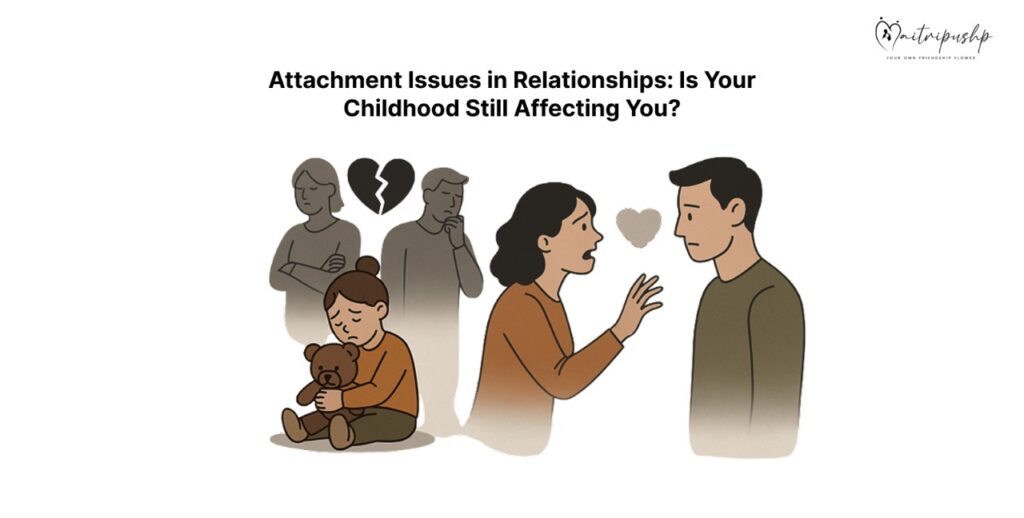
Many of our emotional triggers in relationships come not from our partner but from our childhoods. If you grew up in a home where you were constantly criticized, ignored, or made to feel like you were never enough, those wounds do not disappear. They travel with you into your marriage. When your spouse does something that mirrors those old experiences, even unintentionally, the original wound reopens.
3. A Broken Trust Account
Trust is not just about fidelity. It is built (or broken) through the tiny daily acts of reliability. Every time your partner says they will do something and does not follow through, they make a small withdrawal from the emotional trust account. Over time, that account goes into the negative, and your partner starts reacting to even the smallest things with outsized anger — because the trust is gone.
4. Poor Communication Habits
Most couples were never taught how to communicate effectively. They default to criticism, defensiveness, stonewalling, or contempt — what relationship researcher John Gottman calls the “Four Horsemen.” These communication patterns turn small issues into major arguments quickly and reliably.
5. Emotional Landmines
After years of unresolved conflict, couples develop what therapists call emotional landmines — topics, behaviors, or even tones of voice that instantly trigger a fight response. Walking on eggshells around your partner is a sign that these landmines exist, and they will not disappear on their own.
How to Stop Fighting Over Small Things in Marriage: 10 Proven Strategies
Whether you are managing conflict on your own or working through it with the help of a marriage therapist, these strategies are grounded in evidence-based relationship therapy and real-world couples counseling experience.
1. Pause Before You React
The moment you feel that familiar surge of irritation, stop. Take three slow, deep breaths. Ask yourself: “What outcome do I actually want from this conversation?” When you react immediately from emotion, you are almost guaranteed to make things worse. That brief pause is where conflict resolution actually begins.
2. Ask What the Small Thing Symbolizes
Before you bring up an issue, ask yourself: what does this really mean to me? Is it about the unwashed dish or about feeling unseen? Is it about the forgotten errand or about not feeling valued? When you can identify the deeper need, you can communicate it clearly instead of fighting about the surface issue.
3. Use the Sandwich Method
This simple communication technique from couples counseling works wonders for reducing defensiveness:
• Start with appreciation: “I know you work incredibly hard every day…”
• It would really help me if you could remember to put your dishes in the sink.”
• It makes our home feel easier for both of us, and I appreciate everything you do.”
This format disarms defensiveness and opens the door to real communication in relationships.
4. Be Mindful of Your Tone
Research shows that over 55% of communication is non-verbal. The way you say something matters far more than what you say. If you approach your partner with a sharp, contemptuous, or exhausted tone, they will respond defensively before they even process your words. Practicing a calm, warm tone is one of the most powerful tools for rebuilding trust with your spouse.
5. Validate Before You Respond
Validation is not the same as agreement. It simply means acknowledging that your partner’s feelings are real and make sense from their perspective. Before you defend yourself, try saying: “I can understand why that would frustrate you.” This one sentence can de-escalate a fight faster than almost anything else.
6. Follow Through on Small Promises
The fastest way to stop fighting over little things is to become more trustworthy over them. If you say you will do something, do it. Every time you follow through, you make a deposit into the emotional trust account. Over time, those deposits build a sense of safety and reliability that makes your partner far less reactive to the inevitable slip-ups.
7. Look for Progress, Not Perfection
When your partner is trying to change, give them grace. Old habits take time to rewire. If you only notice when they fail, you are teaching them that their efforts are invisible. When you acknowledge and appreciate their progress — even imperfect progress — you reinforce the behavior you want to see more of.
8. Identify and Discuss Your Emotional Triggers
Have a calm, intentional conversation with your partner outside of a conflict. Share your triggers openly: “When you speak to me with that tone, I feel like I’m being spoken down to, and it takes me right back to how my father used to speak to me.” This kind of vulnerable sharing builds emotional safety and helps both partners navigate each other’s sensitivities with greater care.
9. Agree on a Reset Word or Signal
Sometimes a conflict escalates so quickly that rational communication becomes impossible. Agree on a word or signal (a raised hand, a specific word like “pause”) that means both of you will stop, take a 20-minute break, and return to the conversation when calmer. This prevents saying things you cannot take back.
10. Seek Professional Support
Sometimes, patterns of conflict are too deeply ingrained to resolve without support. A skilled couples counselor can help you identify your communication patterns, understand each other’s emotional histories, and develop lasting tools for conflict resolution. Whether through in-person sessions or teletherapy, professional support is not a sign that your marriage is failing — it is a sign that you are committed to making it thrive.
Rebuilding Trust With Your Spouse: The Foundation of a Fight-Free Marriage
At the heart of how to stop fighting with your spouse is one powerful concept: trust. Not just the trust that your partner is faithful, but the quiet, daily trust that they will show up, follow through, and make you feel like you matter.
Think of trust as a savings account. Every kept promise, every small act of consideration, every moment of genuine listening — these are deposits. Every broken promise, every dismissal, every “it’s not a big deal” is a withdrawal. When the account is full, your relationship can weather almost anything. When it is empty, even a forgotten grocery list becomes a crisis.
Rebuilding trust is not dramatic or difficult. It is made of small, consistent actions taken every single day.
• Do what you say you will do.
• Be on time.
• Remember the things that matter to your partner.
• Put your phone down and actually listen.
• Apologize sincerely and specifically when you mess up.
• Make permanent changes, not temporary adjustments to get out of trouble.
Frequently Asked Questions (FAQs)
1. Why do I keep fighting with my spouse over the same small things?
Recurring small arguments in relationships are usually a sign of an unmet emotional need or an unhealed wound that has not been addressed. The small thing (dirty dishes, forgotten errands) is a trigger, not the real problem. Working with a couples therapist can help you identify the deeper pattern.
2. Is it normal to fight over little things in a marriage?
Yes, it is very common, but normal does not mean healthy. Most couples experience small arguments, but when they become frequent, intense, or repetitive, they signal that something deeper needs attention. The good news is that with the right tools and sometimes professional relationship therapy, this cycle can absolutely be broken.
3. How do I stop getting so angry over small things my partner does?
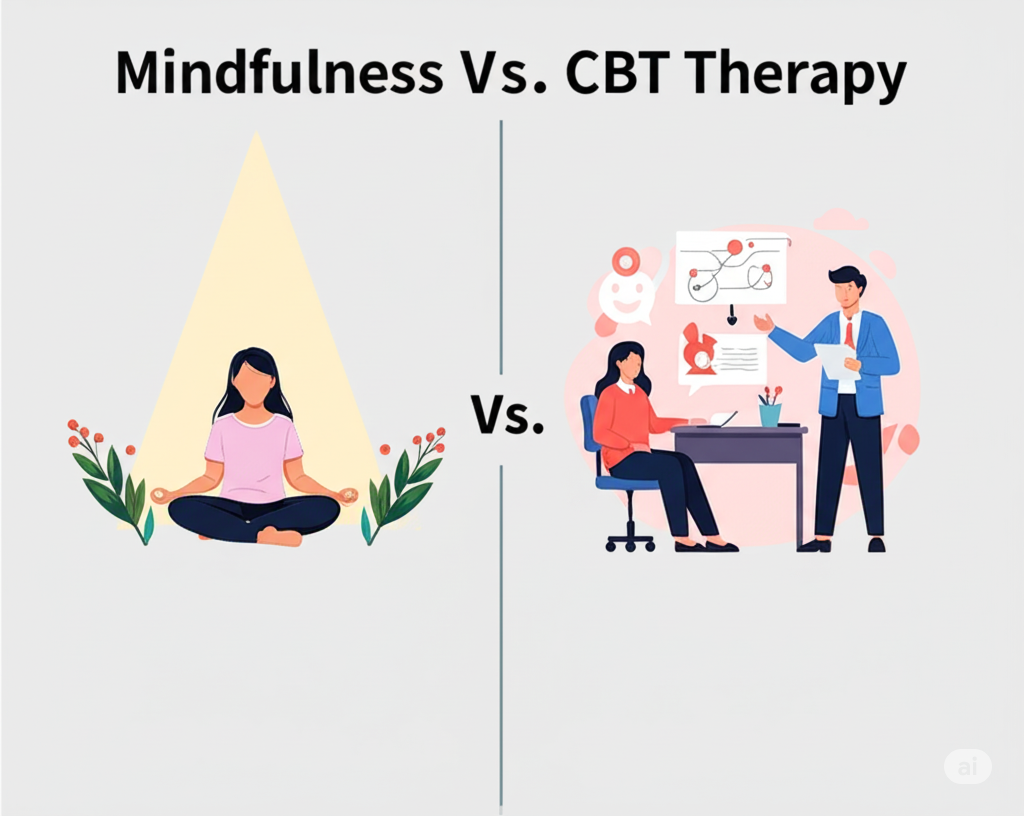
Start by asking yourself what the small thing represents to you. Often, the anger is not about the act itself but about what it means — feeling unimportant, disrespected, or not loved. Understanding your emotional triggers is the first step to managing your reactions. Mindfulness, breathing techniques, and therapy can all help.
4. What is the Sandwich Method in relationship communication?
The Sandwich Method is a communication technique used in couples counseling where you frame a request or concern between two positive statements. Start with appreciation, state your need clearly, and end with connection. This reduces defensiveness and makes your partner more open to hearing you.
5. How can I rebuild trust with my spouse after years of small disappointments?
Rebuilding trust with your spouse happens through consistent, small daily actions. Follow through on what you say you will do. Be reliable in the tiny things. Apologize sincerely when you fall short. Over time, these consistent deposits into the emotional trust account restore the sense of safety and reliability that creates a peaceful marriage.
6. When should we consider marriage counseling or couples therapy?
Consider seeking marriage counseling if you are having the same fights repeatedly without resolution, if communication has broken down, or if you feel emotionally unsafe or disconnected from your partner. Therapy is not a last resort — it is a proactive investment in your relationship’s health.
7. Can teletherapy or online couples counseling really help?
Yes. Teletherapy has been shown to be just as effective as in-person therapy for most couples. It offers the added benefit of convenience and accessibility, making it easier to attend sessions consistently. Many couples find that online couples counseling removes barriers like travel time and scheduling conflicts.
8. What are emotional landmines in a marriage?
Emotional landmines are topics, behaviors, tones, or even words that instantly trigger a strong emotional reaction in your partner due to past experiences or unresolved conflicts. They are formed over years of accumulated hurt. Identifying them together in a calm setting and working with a therapist to defuse them is a key part of conflict resolution.
9. How do I communicate my needs to my partner without starting a fight?
Choose a calm moment, not the heat of conflict, to express your needs. Use “I feel” language rather than “you always” accusations. Be specific about what you need rather than what your partner is doing wrong. The Sandwich Method is a useful framework for this. Learning how to communicate with your partner effectively is one of the most valuable investments you can make in your marriage.
10. What if my partner refuses to change or get help?
This is a genuinely difficult situation. You can only control your own actions. Start by making changes yourself — in how you communicate, how you respond, and how you show up in the relationship. Sometimes, when one partner changes, the dynamic shifts enough that the other begins to as well. If your partner is unwilling to engage, individual counseling can still be enormously helpful for you.