Understanding Emotional Pain After a Breakup
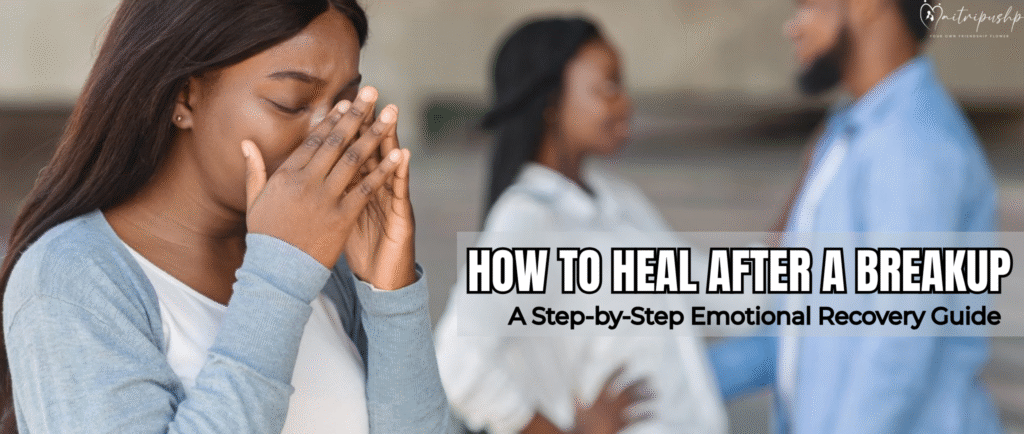
A breakup can feel overwhelming, confusing, and emotionally exhausting. It often brings sudden silence, emotional emptiness, and constant overthinking. Many people experience sadness, anxiety, and loss of self-confidence after a relationship ends.
If you are searching for how to heal after a breakup, understand this clearly: emotional pain after a breakup is normal, valid, and recoverable. With the right approach, emotional recovery is possible.
This step-by-step breakup healing guide will help you understand the healing process, manage emotions, and rebuild emotional strength in a healthy way.
Why Breakups Hurt So Much Emotionally
Breakups cause emotional pain because relationships create emotional attachment, routine, and a sense of security. When a relationship ends, the mind and emotions experience loss similar to grief.
Common emotional effects include:
- Emotional emptiness and loneliness
- Anxiety and restlessness
- Overthinking and self-doubt
- Loss of emotional stability
Understanding this helps normalize your feelings and reduces self-blame during the breakup recovery process.
Stages of Healing After a Breakup
Emotional recovery after a breakup does not happen overnight. It usually follows several stages. These stages may overlap, and healing is not linear.
Stage 1: Acceptance and Emotional Shock
During this stage, the breakup may feel unreal. Many people experience emotional numbness or denial.
Common signs:
- Difficulty accepting the breakup
- Constant hope for reconciliation
- Emotional confusion
How to cope:
- Acknowledge that the relationship has ended
- Avoid emotional triggers such as social media checking
- Allow yourself to feel without suppressing emotions
Acceptance is the foundation of healing.
Stage 2: Emotional Pain and Grief
This is often the most difficult stage of breakup recovery. Emotional pain becomes more intense.
Emotions may include:
- Deep sadness
- Anxiety and emotional heaviness
- Sleep disturbances
- Emotional exhaustion
Healthy coping strategies:
- Journaling thoughts and emotions
- Practicing emotional self-care
- Talking to someone who listens without judgment
Recognizing grief as a natural response helps emotional healing after a breakup.
Stage 3: Overthinking, Guilt, and Emotional Conflict
During this stage, the mind often revisits past moments and decisions.
Common patterns:
- Replaying conversations repeatedly
- Self-blame and regret
- Emotional frustration
What helps:
- Understanding that relationships end due to shared dynamics
- Practicing self-compassion
- Redirecting focus from “why” to “what next”
Reducing overthinking is essential for emotional recovery.
Stage 4: Emotional Detachment and Letting Go
Emotional detachment does not mean emotional coldness. It means releasing emotional dependence.
Signs of progress:
- Reduced emotional reactions
- Fewer intrusive thoughts
- Improved emotional clarity
Detachment techniques:
- Setting emotional boundaries
- Creating new daily routines
- Avoiding unnecessary communication
This stage allows space for emotional healing and mental peace.
Stage 5: Rebuilding Self-Identity After a Breakup
Many people feel disconnected from themselves after a breakup because relationships influence identity.
Focus areas:
- Rediscovering personal interests
- Setting personal and emotional goals
- Strengthening self-confidence
Helpful reflection question:
Who am I beyond this relationship?
Rebuilding self-identity is a key part of emotional recovery after a breakup.
Stage 6: Emotional Growth and Relationship Awareness
This stage brings emotional clarity and learning.
Emotional growth includes:
- Understanding personal emotional needs
- Recognizing unhealthy patterns
- Developing stronger emotional boundaries
Breakups often create awareness that supports healthier future relationships.
Effective Ways to Heal Emotionally After a Breakup
- Practice emotional self-care consistently
- Maintain healthy routines
- Avoid emotional isolation
- Seek emotional guidance when needed
- Focus on long-term emotional well-being
Healing after a breakup requires patience and self-support.
When Should You Seek Emotional Support After a Breakup?
You should consider emotional support if:
- Emotional pain feels constant
- Anxiety or sadness affects daily functioning
- You feel emotionally stuck or overwhelmed
- Loneliness becomes difficult to manage
Seeking emotional support is a proactive step toward mental well-being.
How MaitriPushp Breakup Services Support Emotional Healing
MaitriPushp Breakup Services provide structured emotional support for individuals experiencing breakup-related distress.
Their services focus on:
- Non-judgmental emotional conversations
- Emotional clarity and confidence rebuilding
- Support for loneliness and emotional confusion
- Guidance for healthy emotional recovery
MaitriPushp helps individuals heal at their own pace in a safe and supportive environment.
Conclusion: Healing After a Breakup Is a Process
Healing after a breakup takes time. Emotional ups and downs are part of the journey. Progress may feel slow, but every step matters.
By understanding your emotions, practicing healthy coping strategies, and seeking support when needed, emotional recovery becomes achievable.
Frequently Asked Questions (FAQs)
1. How long does emotional recovery after a breakup take?
Healing time varies depending on emotional attachment, coping strategies, and support systems.
2. What are the stages of healing after a breakup?
Acceptance, emotional pain, overthinking, detachment, self-identity rebuilding, and emotional growth.
3. Is it normal to feel anxious after a breakup?
Yes. Anxiety is a common emotional response to emotional loss and change.
4. How can I stop overthinking after a breakup?
Setting boundaries, journaling, and focusing on emotional recovery routines help reduce overthinking.
5. What are healthy coping mechanisms after a breakup?
Self-care, emotional support, routine building, and reflection.
6. When should I seek breakup counseling?
If emotional pain or anxiety interferes with daily life or mental well-being.
7. Can emotional support speed up breakup recovery?
Yes. Emotional support helps process emotions and regain clarity faster.
8. How do I rebuild confidence after a breakup?
By focusing on self-growth, personal goals, and emotional validation.
9. Is it okay to seek help even after a mutual breakup?
Yes. Emotional impact does not depend on who initiated the breakup.
10. Can breakups lead to emotional growth?
Yes. With awareness and support, breakups often strengthen emotional resilience.