Every marriage faces challenges. Whether you’re newlyweds navigating your first major disagreement or a couple married for decades struggling with communication, relationship difficulties are a natural part of the human experience. The good news is that help is available, and seeking support through marriage counseling can transform your relationship in ways you might never have imagined.
What is Marriage Counseling?
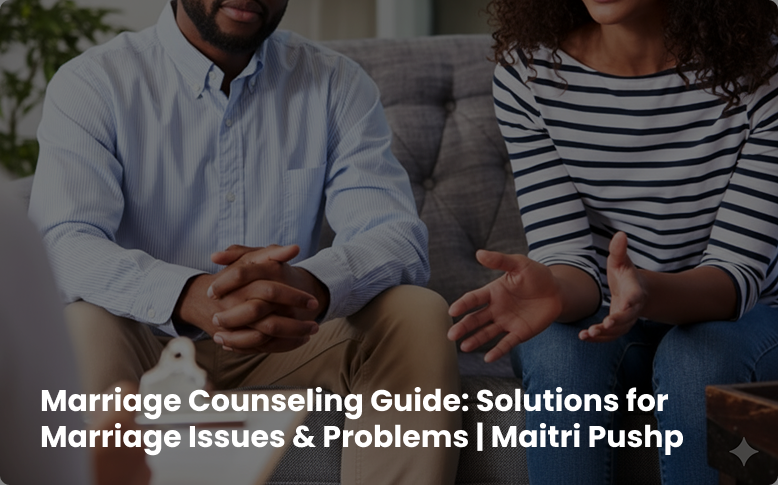
Marriage counseling, also known as couples therapy or relationship counseling, is a specialized form of psychotherapy designed to help couples identify, understand, and resolve conflicts within their relationship. Think of it as a safe, neutral space where both partners can express their feelings, concerns, and needs while learning new tools to strengthen their bond.
At its core, marriage counseling works by providing couples with a trained professional who acts as both a guide and mediator. This therapist helps partners develop better communication skills, understand each other’s perspectives, and work together toward shared goals for their relationship. The process isn’t about assigning blame or determining who’s “right” or “wrong.” Instead, it focuses on creating understanding, fostering empathy, and building a stronger foundation for the future.
The typical marriage counseling process begins with an assessment phase where the counselor learns about your relationship history, current challenges, and goals. From there, sessions usually involve both partners working together, though individual sessions may sometimes be incorporated. The counselor will teach you practical skills, help you identify unhealthy patterns, and guide you toward more positive ways of relating to each other.
Common Marriage Problems and How Counseling Addresses Them
Understanding what brings couples to marriage problems counselling can help normalize your own experiences and show you that you’re not alone in your struggles. Research consistently shows that most relationship issues fall into several key categories.
Communication breakdowns represent perhaps the most common challenge couples face. When partners stop really listening to each other, conversations become battlegrounds rather than opportunities for connection. Marriage counseling teaches couples how to express their needs clearly, listen actively, and respond with empathy rather than defensiveness. You’ll learn techniques like “I” statements, reflective listening, and how to pause during heated moments to prevent escalation.
Trust issues, whether stemming from infidelity, financial deception, or broken promises, create deep wounds that require careful attention to heal. Marriage issues counselling provides a structured environment where couples can address betrayal, work through the complex emotions involved, and gradually rebuild trust through consistent actions and open communication.
Intimacy concerns affect many couples, particularly as relationships mature and life stresses increase. These issues extend beyond physical intimacy to include emotional connection, shared experiences, and feeling truly known by your partner. Counselors help couples understand how intimacy develops and provide practical strategies for rekindling connection in all areas of their relationship.
Financial disagreements often reflect deeper differences in values, priorities, and life goals. Rather than simply budgeting advice, marriage counseling helps couples understand the emotional meanings they attach to money and develop collaborative approaches to financial decision-making that respect both partners’ perspectives.
Parenting conflicts can strain even the strongest marriages, especially when partners have different approaches to discipline, education, or family traditions. Counseling helps parents present a united front while respecting their individual parenting styles and finding compromise solutions that serve their children’s best interests.
How Marriage Counseling Provides Targeted Solutions
Understanding how marriage counseling addresses specific relationship challenges can help you appreciate the depth and sophistication of this therapeutic approach. Each area of difficulty requires specialized techniques and understanding.
Communication Enhancement
Effective communication forms the backbone of every healthy relationship, yet it’s often the first casualty when couples are under stress. Marriage counselors teach partners how to create safe spaces for difficult conversations, express their needs without attacking their partner, and truly hear what their spouse is trying to communicate beneath the surface words.
You’ll learn to recognize communication patterns that escalate conflict, such as criticism, contempt, defensiveness, and stonewalling. More importantly, you’ll practice alternative approaches that build connection rather than create distance. These skills take time to develop, which is why counseling provides a supportive environment for practice and feedback.
Trust Rebuilding Strategies
Rebuilding trust after it’s been damaged requires patience, consistency, and often professional guidance to navigate successfully. Marriage counselors understand that trust develops in layers and help couples work through this process systematically.
The process typically involves the partner who broke trust taking full responsibility for their actions, demonstrating genuine remorse, and committing to complete transparency going forward. Meanwhile, the hurt partner learns how to express their needs for rebuilding trust while remaining open to their partner’s efforts to make amends.
Intimacy Restoration
Rekindling intimacy requires understanding that connection operates on multiple levels simultaneously. Physical, emotional, intellectual, and spiritual intimacy all contribute to a couple’s overall sense of closeness and satisfaction.
Counselors help couples identify barriers to intimacy in their relationship, whether those are external stressors, unresolved conflicts, or individual issues affecting either partner. You’ll learn practical techniques for creating opportunities for connection, expressing affection in ways your partner can receive, and maintaining intimacy even during challenging life phases.
Conflict Resolution Skills
Every couple experiences conflict, but not every couple knows how to resolve disagreements constructively. Marriage counseling teaches partners how to fight fairly, find win-win solutions, and use conflicts as opportunities for deeper understanding rather than sources of ongoing resentment.
You’ll learn the difference between solvable problems and perpetual issues that require ongoing management rather than resolution. This understanding alone can reduce frustration and help couples focus their energy more productively.
Evidence-Based Approaches to Marriage Counseling
Every couple experiences conflict, but not every couple knows how to resolve disagreements constructively. Marriage counseling teaches partners how to fight fairly, find win-win solutions, and use conflicts as opportunities for deeper understanding rather than sources of ongoing resentment.
You’ll learn the difference between solvable problems and perpetual issues that require ongoing management rather than resolution. This understanding alone can reduce frustration and help couples focus their energy more productively.
The Gottman Method
Developed by Drs. John and Julie Gottman through decades of research, this approach focuses on building friendship, managing conflict, and creating shared meaning within relationships. The Gottman Method teaches couples to increase positive interactions, handle disagreements constructively, and support each other’s dreams and aspirations.
This approach is particularly effective because it’s based on extensive research about what actually makes marriages succeed or fail. The Gottmans have identified specific behaviors that predict relationship success, giving couples clear targets for improvement.
Emotionally Focused Therapy (EFT)
EFT views relationship problems through the lens of attachment theory, helping partners understand their emotional needs and learn to respond to each other with greater sensitivity and care. This approach is especially helpful for couples who feel emotionally disconnected or struggle with recurring cycles of pursuit and withdrawal.
The process involves helping partners access and express their deeper emotions safely, understand the negative cycles that damage their connection, and create new, positive patterns of interaction that foster security and closeness.
Cognitive Behavioral Therapy (CBT)
CBT for couples focuses on identifying and changing negative thought patterns and behaviors that damage relationships. This approach is particularly effective for couples dealing with anxiety, depression, or other mental health challenges that affect their relationship dynamics.
Partners learn to recognize how their individual thoughts and assumptions influence their interactions, develop more balanced perspectives, and practice new behaviors that support relationship goals.
Solution-Focused Brief Therapy
This approach emphasizes identifying and building upon existing relationship strengths rather than dwelling extensively on problems. Couples learn to envision their ideal relationship and work backward to identify specific steps that will move them toward their goals.
The Rise of Online Marriage Counseling in India
The landscape of mental health services in India has transformed dramatically in recent years, with online marriage counseling emerging as a particularly valuable option for couples seeking support. This evolution addresses many of the traditional barriers that prevented Indian couples from accessing professional help.
Accessibility and Convenience
Online counseling eliminates geographical constraints that previously limited couples to whatever services were available in their immediate area. Whether you live in a major metropolitan area or a smaller town, you can now access qualified marriage counselors who specialize in your specific concerns.
The convenience factor cannot be overstated. Busy couples can schedule sessions around work commitments, family obligations, and other responsibilities without the additional time required for travel. This flexibility often means couples can maintain more consistent attendance, which directly correlates with better outcomes.
Cultural Sensitivity and Privacy
Many Indian couples appreciate the enhanced privacy that online counseling provides, particularly when dealing with sensitive relationship issues in communities where family and social pressures can be intense. Online platforms allow couples to seek help discreetly while still receiving professional, culturally sensitive support.
Therapists specializing in online marriage counseling for Indian couples understand the unique challenges created by joint family systems, cultural expectations around marriage roles, and the balance between traditional values and modern relationship dynamics.
Affordability and Value
Online counseling often costs significantly less than traditional in-person therapy, making professional help accessible to more couples across different economic backgrounds. This democratization of mental health services means that financial constraints need not prevent couples from getting the support they need.
The value extends beyond simple cost savings. Many online platforms offer additional resources like educational materials, between-session exercises, and flexible scheduling options that enhance the overall therapeutic experience.
Recognizing When You Need Marriage Counseling
Understanding when to seek professional help can make the difference between minor relationship adjustments and major relationship crises. Many couples wait until problems become severe before seeking support, but early intervention often leads to better outcomes and requires less intensive treatment.
Early Warning Signs
Communication patterns that leave both partners feeling unheard or misunderstood signal the need for professional guidance. When conversations regularly escalate into arguments, or when partners begin avoiding difficult topics altogether, these patterns rarely improve without intervention.
Emotional distance between partners, whether expressed through reduced physical affection, less quality time together, or feeling like roommates rather than romantic partners, indicates that the relationship’s foundation needs attention.
Recurring conflicts that never seem to reach resolution often benefit from professional mediation and skill-building. When couples find themselves having the same argument repeatedly without making progress, counseling can help identify underlying issues and develop new approaches to problem-solving.
Life Transitions and Stressors
Major life changes, even positive ones, can strain relationships in unexpected ways. Marriage counseling can be particularly helpful during transitions like career changes, relocations, becoming parents, caring for aging family members, or dealing with health challenges.
These situations don’t necessarily indicate relationship problems but rather opportunities to strengthen your partnership by learning to navigate change together effectively.
Individual Mental Health Concerns
When one or both partners struggle with depression, anxiety, trauma, or other mental health challenges, couples counseling alongside individual therapy can help address how these issues affect the relationship while supporting overall healing.
Taking the Next Step Toward Healing
If you recognize your relationship in any of these descriptions, please know that seeking help demonstrates strength and commitment to your partnership, not weakness or failure. Every relationship faces challenges, and the couples who thrive are often those who seek professional support when they need it.
Marriage counseling offers hope, practical tools, and expert guidance for navigating whatever challenges your relationship faces. Whether you’re dealing with communication breakdowns, trust issues, intimacy concerns, or simply want to strengthen an already good relationship, professional support can help you achieve your goals more effectively than trying to work through everything alone.
The therapists at Maitri Pushp understand the unique challenges facing modern Indian couples and provide compassionate, culturally sensitive support through both traditional and online counseling options. Your relationship deserves the same attention and care you would give to any other important aspect of your life.
**Ready to invest in your relationship’s future? Take the first step today by reaching out to learn more about how marriage counseling can help you and your partner build the strong, loving relationship you both deserve. Your journey toward deeper connection and lasting happiness begins with a single conversation.**
FAQ's
Does marriage Counselling really work?
Yes, marriage counselling is highly effective.
Research shows that 70-80% of couples who engage in marriage problems counselling experience significant improvements in their relationships.
What is marriage counseling’s effectiveness depends on:
- Both partners’ commitment to the process
- Consistency in attending sessions
- Using proven approaches like the Gottman Method, EFT, and CBT
Key Benefits: Marriage issues counselling helps couples improve communication, rebuild trust, resolve conflicts, and restore intimacy. Most couples see positive changes within 4-6 sessions.
Online marriage counseling in India has proven equally effective as in-person therapy, offering greater accessibility and convenience for busy couples.
Bottom Line: Marriage counselling works best when both partners are willing participants and choose qualified therapists who specialize in relationship dynamics.
What is the 5 5 5 rule in marriage?
The 5 5 5 rule in marriage is a conflict resolution strategy where couples agree to take a 5-minute break when arguments escalate, spend 5 minutes reflecting individually, then come back together for 5 minutes of calm discussion.
How the 5 5 5 Rule Works:
- First 5 minutes: Step away from the heated conversation
- Second 5 minutes: Each partner reflects on their feelings and perspective
- Final 5 minutes: Return to discuss the issue calmly and constructively
Connection to Marriage Counselling: This technique is commonly taught in marriage problems counselling as part of effective communication strategies. What is marriage counseling often emphasizes? Teaching couples practical tools like the 5 5 5 rule to prevent emotional escalation.
Benefits:
- Prevents arguments from spiraling out of control
- Reduces hurtful words said in anger
- Allows time for emotional regulation
- Promotes thoughtful communication over reactive responses
When to Use: Marriage issues counselling experts recommend using this rule when you notice signs of escalation: raised voices, defensive language, or feeling overwhelmed during disagreements.
Professional Guidance: While the 5 5 5 rule is helpful, couples dealing with persistent communication problems benefit from comprehensive marriage problems counselling to address underlying patterns and develop additional conflict resolution skills.
What do you do in marriage counselling?
In marriage counselling, couples work with a trained therapist to identify relationship patterns, learn communication skills, and develop strategies to strengthen their bond.
What is marriage counseling sessions typically include:
- Communication exercises to improve listening and expression skills
- Conflict resolution techniques like the Gottman Method approach
- Trust-building activities for couples experiencing betrayal or broken promises
- Intimacy restoration exercises to rebuild emotional and physical connection
Core Activities in Marriage Problems Counselling:
- Exploring relationship history and current challenges
- Learning to express needs without blame or criticism
- Practicing active listening and empathy skills
- Developing personalized action plans for relationship improvement
Different Therapeutic Approaches: Marriage issues counselling may use various methods including Emotionally Focused Therapy (EFT), Cognitive Behavioral Therapy (CBT), or Solution-Focused Brief Therapy, depending on your specific needs.
Session Structure:
- Assessment of relationship dynamics and goals
- Skill-building exercises and homework assignments
- Both joint sessions and occasional individual meetings
- Progress tracking and adjustment of treatment approaches
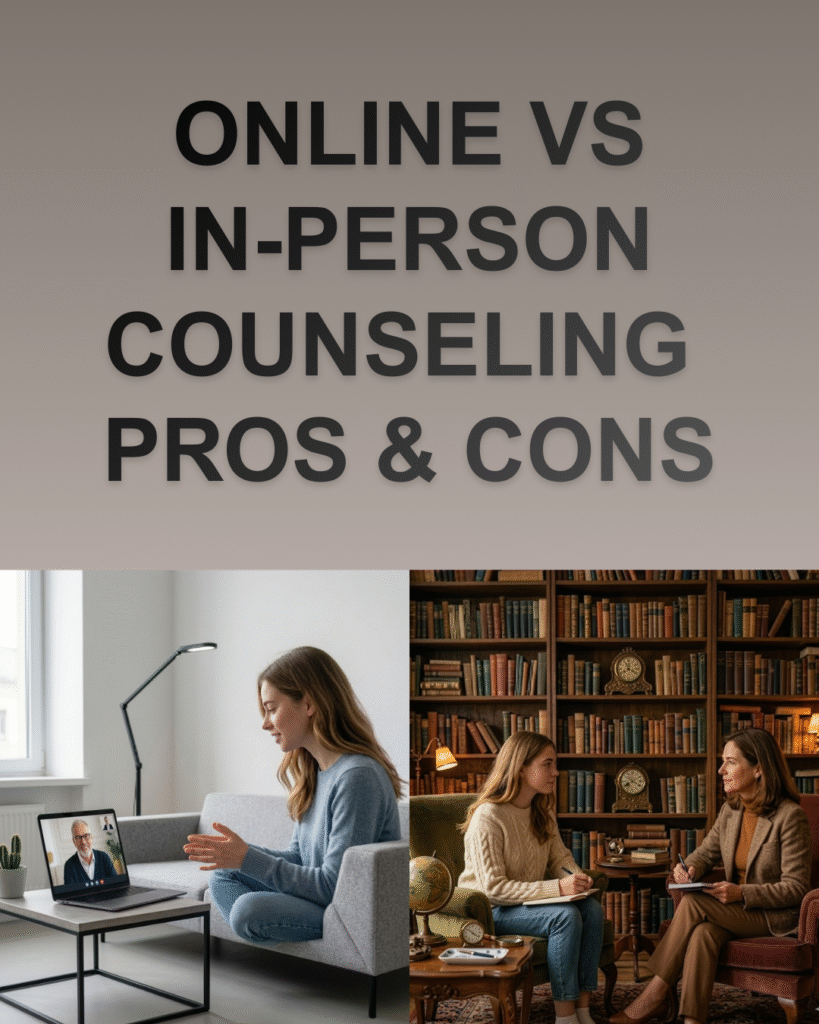
Online vs. In-Person: Whether through traditional therapy or online marriage counseling, the core activities remain focused on building stronger communication, resolving conflicts, and creating deeper connection between partners.
What is the process of marriage counselling?
The marriage counselling process typically follows a structured approach starting with assessment, followed by skill-building, and ongoing progress evaluation.
Step-by-Step Process:
1. Initial Assessment (Sessions 1-2)
- Understanding your relationship history and current challenges
- Identifying specific goals for marriage problems counselling
- Establishing a safe, neutral environment for both partners
2. Treatment Planning (Session 3)
- Therapist explains what is marriage counseling approach will work best
- Setting realistic expectations and timelines
- Choosing appropriate therapeutic methods (Gottman Method, EFT, CBT)
3. Active Therapy Phase (Sessions 4-12+)
- Learning communication and conflict resolution skills
- Working through trust issues, intimacy concerns, and recurring conflicts
- Practicing new behaviors through homework assignments
4. Progress Evaluation & Maintenance
- Regular check-ins to assess relationship improvements
- Adjusting strategies based on what’s working
- Developing long-term maintenance plans
Duration & Format: Marriage issues counselling typically involves weekly sessions for 3-6 months, though complex issues may require longer treatment. Sessions can be conducted in-person or through online marriage counseling platforms.
Key Components Throughout:
- Both partners participate in joint sessions
- Occasional individual sessions may be included
- Continuous focus on building practical skills for lasting change
Outcome: Most couples in marriage problems counselling begin seeing improvements in communication and connection within 4-6 sessions, with deeper relationship transformation developing over time.
What is the success rate of marriage Counselling?
Marriage counselling has a 70-80% success rate when both partners actively participate in the process. Research consistently shows that couples who engage in marriage problems counselling experience significant improvements in relationship satisfaction.
Success Rates by Approach:
- Gottman Method: 80-85% of couples report improved communication
- Emotionally Focused Therapy (EFT): 70-73% success rate for lasting change
- Cognitive Behavioral Therapy (CBT): 75% improvement in conflict resolution
What is marriage counseling effectiveness influenced by:
- Both partners’ commitment to attending sessions and practicing skills
- Early intervention before problems become deeply entrenched
- Therapist expertise in relationship dynamics and evidence-based methods
- Consistency in applying learned techniques between sessions
Timeline for Success: Most couples in marriage issues counselling begin seeing positive changes within 4-6 sessions, with deeper transformation occurring over 3-6 months of consistent treatment.
Online Marriage Counseling Results: Studies show online marriage counseling achieves comparable success rates to in-person therapy, often with better attendance due to increased convenience and accessibility.
Important Note: Success rates are highest when couples seek marriage problems counselling before reaching crisis points. Early intervention significantly improves outcomes and reduces the time needed for relationship healing.
Who can I talk to about relationship problems?
You can talk to MaitriPushp –the best marriage counsellor in India . Our qualified relationship counselors provide compassionate, professional support through both traditional and online marriage counseling options, helping couples navigate challenges and build stronger connections with evidence-based approaches tailored to your unique needs.